
In IOS Bowen, it is essential for therapists to understand the muscle and bony connections in
the body to perform our work efficiently and effectively. One of the most vital—but often
overlooked—structures we engage with is the dura mater.
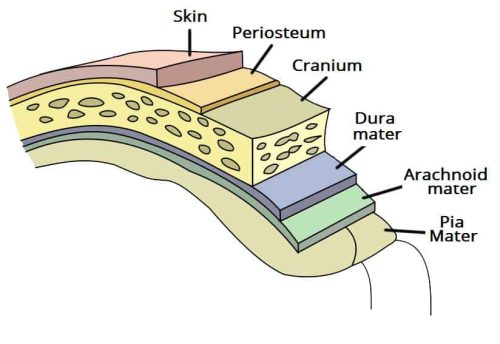
“Dura mater” literally means “tough mother” in Latin. It’s a dense, durable membrane that acts
as both a physical and functional safeguard for the central nervous system (CNS). The dura
has four main attachment points and contains nerve endings, fascial links, and structural
connections throughout the body.
Why is this important?
Because any tension or trauma in the pelvis or cranial bones can affect the entire dural tube
—which, in turn, influences nervous system function, posture, and muscle tone. This is central to
how we assess and treat in IOS Bowen.
When we perform assessments, we’re not just checking local tension—we’re assessing the
dural tone of the entire body. This helps us identify whether the root cause of dysfunction
originates from the upper or lower dural attachment sites. Recognizing and clearing the
primary imbalance first is essential—otherwise, symptoms may persist or return.
The CNS governs everything in the body.
It measures all. It regulates all.
That’s why we must ensure there isn’t a persistent “glitch” in the system—some underlying
irritation disrupting the body’s natural balance. The dural attachment sites provide us with a
direct window into the health of the CNS. They allow us to monitor, understand, and influence
the body in a way that promotes healing and restoration.
This is what IOS (Importance of Symmetry), developed by Graham Pennington, is all about. IOS
emphasizes that true healing comes from restoring symmetry. It’s not just about relieving
symptoms—it’s about correcting underlying structural and functional imbalances that often
drive chronic pain and dysfunction.
This approach gives us a refined lens—a clearer way to see the body, make accurate
assessments in real time, and choose procedures that truly support the body’s return to balance.
If you’re new to Bowen therapy, now is the perfect time to experience what this powerful and
intelligent method can do. Symmetry matters—and your body will thank you when things are in
alignment, not just structurally, but functionally and energetically.
This allows us a window of Symmetry and is the successful expression of our efforts. Let’s
reset your system the right way.
Key Takeaway
Understanding the dura mater is essential because it serves as a bridge between the physical
structure and the nervous system. From the skull to the sacrum, it affects posture, pain, and
performance. Whether you’re working with humans or animals, awareness of dural dynamics
allows for deeper insight and more effective therapeutic interventions.
Final Insight
Bowen Therapy, particularly through Graham Pennington’s lens of symmetry, aligns naturally
with the energetic principles of TCM. The fact that Bowen moves often stimulate
acupuncture points and traverse key meridians—especially the Governing Vessel—
means that it not only realigns the physical body but also influences the body’s energetic
systems.
This makes IOS Bowen unique, , allowing practitioners to bridge structure and energy,
anatomy and Qi—all through touch.
Bonus: Dura Mater in Horses and Animals
In horses and other animals, the dura plays a similar protective and regulatory role for the CNS.
Horses, in particular, are highly responsive to fascial and neurological changes, and dural
tension may present as:
- Behavioral issues
- Headshaking
- Poor coordination or proprioception
- Sacral or poll imbalances
Releasing dural restrictions through gentle manual therapy can have profound effects on an
animal’s movement, posture, and emotional state.